Diagnosing Common Washing Machine Problems: A Homeowner’s Guide
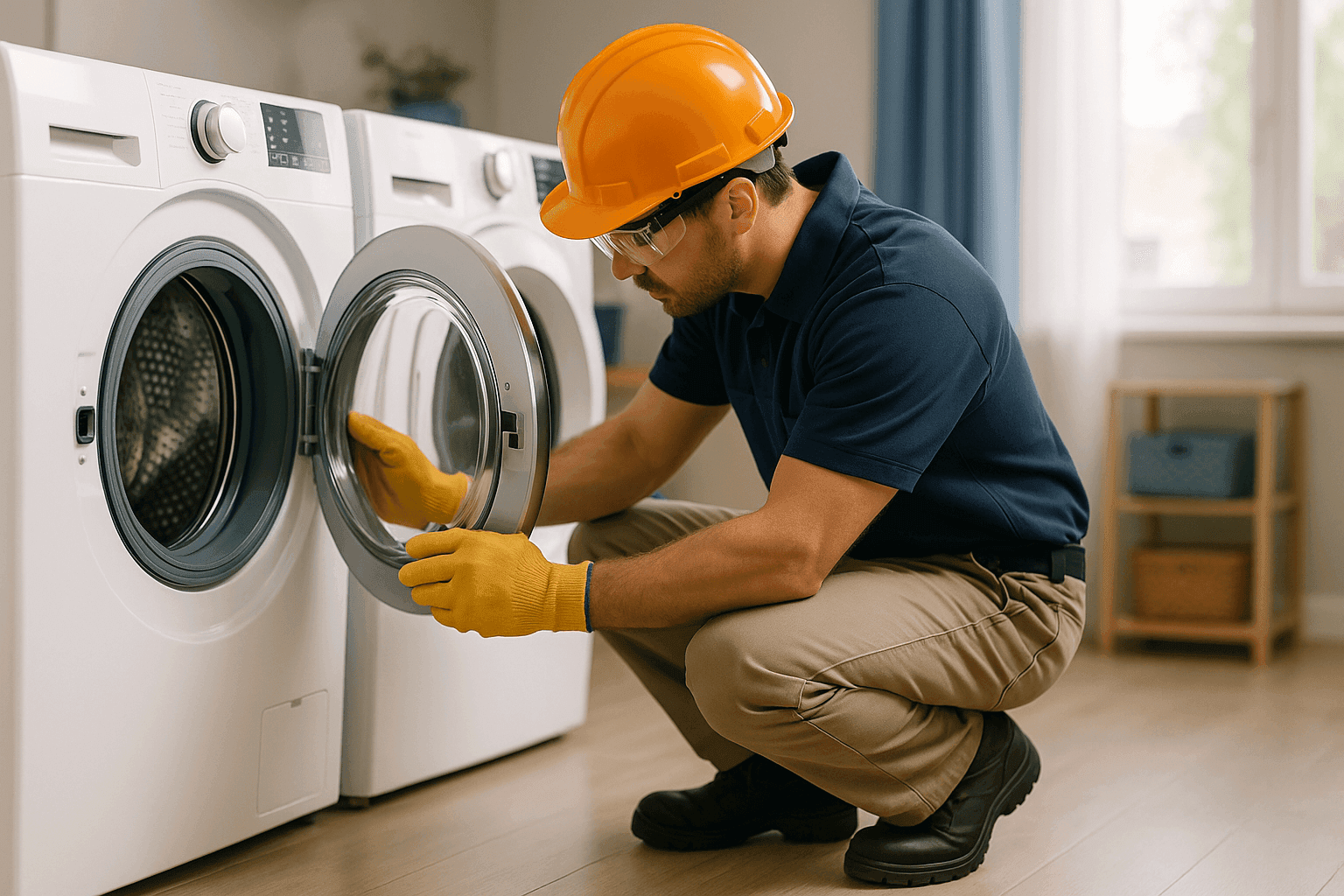
Laundry day shouldn’t come with drama. But when your washing machine starts acting up, it can throw a wrench in your plans—and your peace of mind. At GV Appliances Repair, we know how disruptive a leaky or noisy washer can be. That’s why we’re here to help you figure out what’s wrong, when a quick fix is possible, and when to call in the professionals.
Washers are household workhorses. They take on loads of dirt, sweat, and grime—day in and day out. But like any machine, they need a little attention to keep running smoothly. In this guide, we break down the most common washing machine problems and show you simple, practical steps to diagnose what’s going on.
Washer Won’t Spin or Drain 🌀
You press “Spin,” but nothing happens. Maybe the clothes are still soaking wet. Or the drum just sits there, stubborn and still. What’s going on?
Quick Checks for Homeowners
- Balance the Load: Overloading or washing a single heavy item can stop the spin. Try redistributing clothes.
- Door/Lid Switch: Most washers won’t spin if the door or lid isn’t securely closed due to a safety switch.
- Drain Hose: Check for kinks or blockages. A sock or small item can clog the hose, causing water to pool.
- Filter Trap: Front-load machines often have a filter trap near the bottom. Consult your user manual (see manufacturer recommendations) and clear out lint or debris.
Safety First
- Unplug the washer before checking hoses or filters.
- Have towels or a shallow pan ready to catch water.
- Never reach inside a drum that is moving or may start spinning.
When to Call for Repair
If you’ve checked the basics and the machine still won’t spin or drain, it could be:
- Faulty lid switch or door lock
- Broken drive belt or worn motor coupler
- Control board faults
These repairs involve complex parts or electrical components. Attempting them without proper training can lead to injury or more damage. Call GV Appliances Repair for safe, reliable service.
Leaking or Flooding Issues 💧
A puddle under your washer is never a good sign. But not all leaks spell disaster. Sometimes, it’s a quick-fix issue.
What to Check
- Hoses: Inspect both the supply and drain hoses for cracks, loose connections, or bulges.
- Detergent Use: Too much soap can cause overflow. Use only the amount recommended by the manufacturer.
- Door Gasket: Front-load washers use a rubber seal (gasket) that can trap hair or lint. Wipe it clean and examine for tears.
- Pump and Filter: A clogged drain pump or filter can back up water. Follow the user manual to access and clean these safely.
Safety Tips
- Always unplug the washer before inspecting parts.
- Shut off water supply valves to prevent further leaks.
- Never ignore signs of electrical trouble (sparks, burning smell).
When to Call for Repair
Persistent leaks may mean:
- A cracked tub or damaged pump
- Internal hose or valve failures
Certified appliance_repair technicians have the tools to diagnose leaks without guesswork and can replace parts safely.
Unusual Noises or Vibrations 🛠️
Washing machines should hum, not howl. If yours sounds like it’s auditioning for a rock band, here’s what to check.
DIY Troubleshooting
- Level the Machine: Use a carpenter’s level. Adjust feet so the washer sits flat on the floor.
- Check for Foreign Objects: Coins, keys, or buttons in the drum or pump can rattle.
- Look at the Drum: Does it wobble or feel loose? Worn drum bearings or shock absorbers are common culprits.
- Inspect the Load: Uneven or heavy loads (like bath mats) can cause banging or walking.
Safety Reminders
- Never open a washer mid-cycle.
- Don’t reach into a spinning drum.
- If the machine vibrates violently, unplug it and investigate before running another cycle.
Professional Intervention
If loud noises persist, it could signal:
- Broken suspension springs
- Faulty motor mounts
- Serious internal damage
These repairs can be risky and require specialized parts. GV Appliances Repair can safely diagnose and repair all major brands.
When to Call for Repair
You’ve checked the basics. Tried the easy fixes. Still stuck? Here are signs it’s time to bring in a pro:
- Error codes you can’t clear (see your washer’s manual for code meanings)
- Water not draining even after clearing hoses and filters
- Electrical smells, smoke, or repeated circuit breaker trips
- Leaks that return after hose replacements
A certified technician can use diagnostic tools and manufacturer guidelines (such as those from Whirlpool, LG, and Samsung) to pinpoint issues and restore your washer’s performance.
Safety Checklist Before Any Washer Troubleshooting
- Always unplug the appliance first.
- Wear closed-toe shoes to avoid slips.
- Use dry hands when handling electrical plugs.
- Keep pets and children away from the work area.
- Never remove protective panels unless instructed by a reliable service manual.
Prevention & Maintenance
A little care goes a long way. Here’s how to keep your washer running reliably:
- Monthly: Run an empty hot cycle with washing machine cleaner or white vinegar to kill odors and residue.
- Every Wash: Remove clothes promptly; leave the door open to dry out the drum.
- Quarterly: Inspect hoses for wear and tighten connections.
- Annually: Have a professional perform Dryer Vent Cleaning near you and check washer connections if you use connected laundry appliances.
Following these steps aligns with recommendations from the U.S. Consumer Product Safety Commission and most major manufacturers.
How Appliance Repair Pros Diagnose Washers
When GV Appliances Repair arrives:
- We visually inspect hoses, pumps, and gaskets for damage.
- Use electrical testers to check switches, motors, and control boards.
- Consult manufacturer codes and technical documentation.
- Disassemble only as needed—no guesswork, no unnecessary part swaps.
- We explain what’s needed before any work begins.
Costs & Time Factors
Washing machine repairs can range from a quick filter cleaning to replacing a motor. Most diagnostic visits take less than an hour. Simple fixes (like hose replacements) are usually fast and affordable; complex repairs (like control panel or motor replacement) may require ordering parts and a return visit.
When It’s an Emergency
Call for immediate help if:
- Water is flooding your laundry area uncontrollably
- You smell burning or see smoke
- The machine trips your power repeatedly
- There’s a risk of electrical shock or major property damage
GV Appliances Repair offers emergency repairs for these situations—your safety always comes first.
Frequently Asked Questions
My washer keeps shaking during spin—what’s wrong?
Most often, the machine isn’t level or the load is unbalanced. Try adjusting the washer’s feet and evenly distributing clothes. If shaking continues, it may be worn suspension parts.
Should I repair or replace my old washer?
If your washer is over 10 years old and needs an expensive repair (like a motor or control board), replacement may be more cost-effective. A technician can help you weigh the options.
Can I use regular soap in a high-efficiency washer?
No—always use HE (high-efficiency) detergent in HE machines. Regular soap creates excessive suds, leading to poor rinsing and potential leaks.
Is it safe to open my washer mid-cycle?
Top-loaders can usually be paused safely, but front-loaders often stay locked for safety during cycles. Forcing the door can damage the lock mechanism.
Local and Seasonal Considerations
- In cold climates, check hoses for freezing in winter; burst hoses are a common cause of leaks.
- If you live in a humid area, leave the washer door open after use to prevent mold.
- Schedule annual Dryer Vent Cleaning near you to reduce fire risk and extend appliance life.
Washer troubles can be stressful, but you’re not alone. For safe, reliable appliance_repair—whether it’s a simple fix or an emergency—GV Appliances Repair is ready to help.
Call GV Appliances Repair now — or reach us anytime at 844-694-0844 .