Dryer Vent Cleaning: Why It Matters and How Often to Schedule
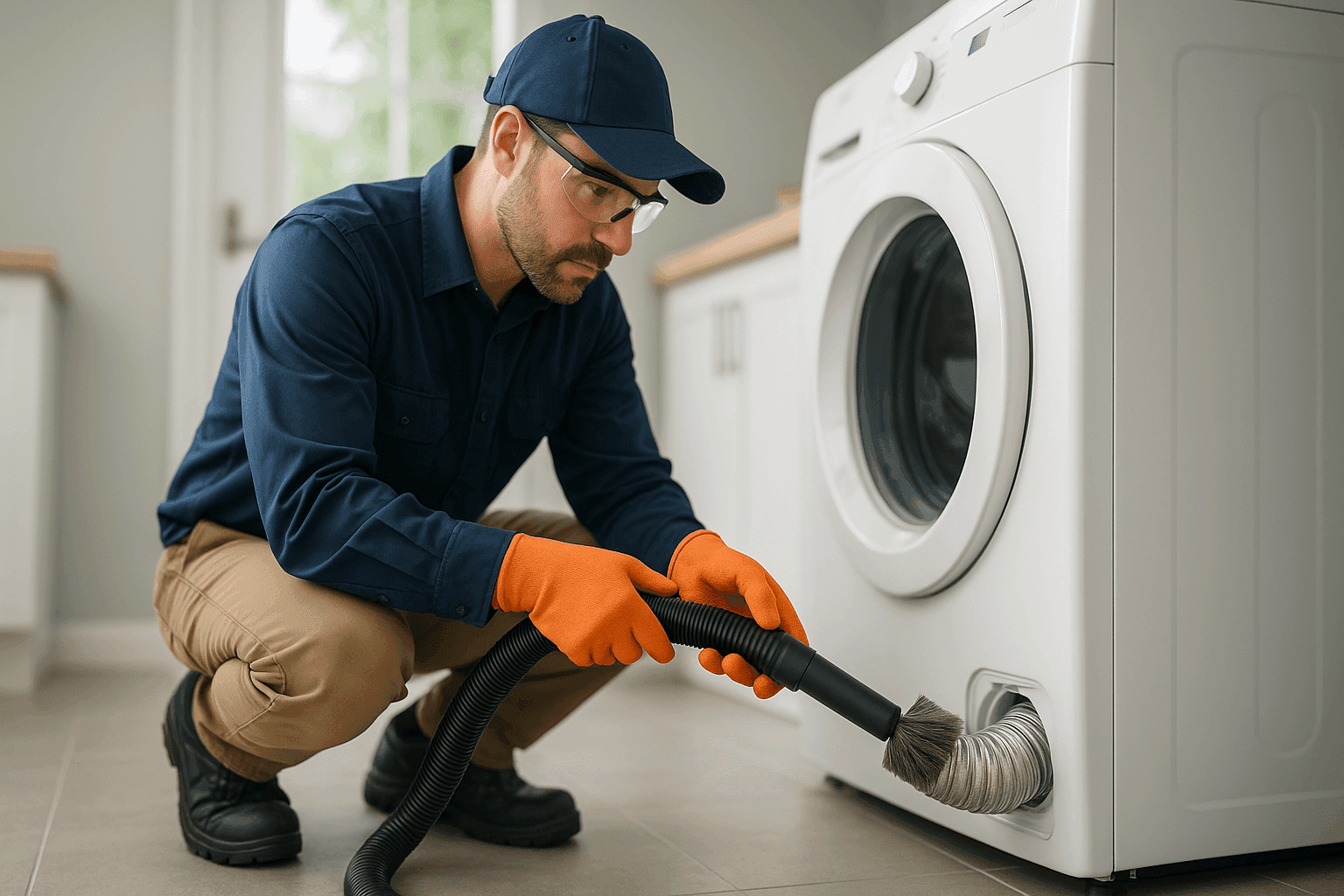
Every homeowner wants their appliances to work smoothly. Yet, one task often falls off the list: dryer vent cleaning. It seems small—until it isn’t. At GV Appliances Repair, we’ve seen firsthand how neglect can put families at risk and drive up energy bills.
Ignoring your dryer vent is like letting dust gather in your lungs. Sooner or later, something gives. Let’s unpack why regular dryer vent cleaning is a must, not a maybe.
Why Dryer Vent Cleaning Matters 🏡
Dryers work by moving hot air through your clothes and out a vent. But over time, lint sneaks past the filter and clings to the vent walls. It’s a slow, silent clog.
Here’s what’s at stake:
- Fire Risk: According to the U.S. Fire Administration, nearly 3,000 residential fires are caused by clothes dryers every year. Most stem from lint buildup. Lint is highly flammable—like kindling waiting for a spark.
- Efficiency Drops: Blocked vents mean longer drying times. That’s more electricity, more wear on your dryer, and more frustration.
- Shorter Appliance Lifespan: When your dryer has to work harder, parts break down faster. Motors, belts, and sensors all take a beating.
- Higher Utility Bills: Each extra cycle is money down the drain. Clean vents mean quicker dry times and lower monthly costs.
Think of your dryer vent as a life-saving escape route for hot air and lint. When it blocks, you’re gambling with safety and efficiency.
How Often Should You Clean?
“How often should I schedule dryer vent cleaning near me?” It’s a question we hear year-round.
- At minimum: Once every 12 months for the average household.
- More often if:
- You do laundry for a large family or have pets (more hair, more lint).
- Your dryer is older or used daily.
- You notice drying times creeping up.
The National Fire Protection Association (NFPA) recommends annual cleaning. If you see warning signs (see below), don’t wait. It’s always better to catch trouble early.
DIY vs. Professional Cleaning 🧰
It’s tempting to grab a vacuum and do it yourself. But here’s the truth: Most household tools don’t reach deep enough to clear the whole vent, especially if it twists or runs long.
DIY Steps
- Empty the lint trap before every load.
- Vacuum around the trap and drum monthly.
- Check the vent outside—make sure air flows freely.
When to Call in Appliance_Repair Pros
Professional dryer vent cleaning uses specialized brushes and vacuums. Technicians can:
- Fully access and clear long or complicated vents.
- Spot and fix damage (crushed hoses, blockages).
- Advise on fire safety and maintenance.
If your vent runs through a wall, ceiling, or is longer than 6 feet, professional cleaning is strongly recommended.
Warning Signs of a Blocked Vent 🚩
Your dryer will send distress signals. Watch for:
- Clothes take longer than one cycle to dry
- Outside of the dryer feels unusually hot
- A musty or burning smell during cycles
- Lint visible around the vent opening or floor
- The vent hood doesn’t open fully when drying
If you notice any of these, schedule appliance repair or dryer vent cleaning near you right away.
Dangers of Neglect
Letting lint pile up is like packing snow in a chimney. It blocks airflow and heats up fast. The dangers include:
- House Fires: Lint ignites easily. The USFA and NFPA both cite dryer fires as a leading cause of residential fires.
- Carbon Monoxide Risk: For gas dryers, blocked vents can cause dangerous fumes to back up into your home.
- Mold and Moisture: Trapped moisture can lead to hidden mold, damaging walls and air quality.
A single cleaning can prevent months of headaches.
Professional Dryer Vent Cleaning: What to Expect
A reputable appliance repair technician will:
- Inspect the entire vent system (inside and out)
- Use rotary brushes and vacuums to dislodge and remove lint
- Check for crushed or disconnected vent hoses
- Test airflow and ensure the flapper outside opens freely
- Review safety standards such as those outlined by the NFPA and International Residential Code (IRC)
Appointments typically take 30 to 90 minutes, depending on vent length and buildup.
How Much Time and Cost Should You Expect?
Pricing can vary based on length, accessibility, and how much lint has built up. Most jobs take under two hours. While DIY kits are available, professional dryer vent cleaning brings peace of mind and thorough results.
Think of it like an annual checkup for your lungs. A little time and investment can save you hundreds—or even your home.
Routine Maintenance Tips
Between professional cleanings, keep your dryer in top shape with these habits:
- Clean the lint trap every load.
- Wipe down the drum and door monthly.
- Vacuum under and behind the dryer every season.
- Check the outside vent cap for blockages after storms or heavy winds.
Setting a calendar reminder for annual cleaning keeps fire risks low and laundry day stress-free.
FAQ: Common Dryer Vent Questions
How do I know if my vent needs cleaning?
Longer drying times, excess heat, and lint around the vent are major red flags.
What’s the difference between dryer vent and lint filter cleaning?
The lint filter catches the big stuff, but fine particles pass through and collect in the vent. Both need regular attention.
Can I use flexible plastic vent hoses?
No. UL-listed metal ducts are the safest. Plastic hoses are a fire hazard and often violate building codes.
Is professional dryer vent cleaning worth it?
Absolutely. It’s thorough, efficient, and recommended by both the NFPA and appliance manufacturers.
Local and Seasonal Considerations 🌦️
In colder climates, outside vent caps can freeze or get blocked with snow. In humid regions, lint clumps faster. After major storms, always check your outside vent for clogs.
If you’re moving into a new home or haven’t cleaned your vent in over a year, schedule service as soon as possible.
A safe home starts with small steps. Dryer vent cleaning is one of the most important—but most overlooked—appliance maintenance tasks you can do.
Call GV Appliances Repair now — or reach us anytime at 844-694-0844 .